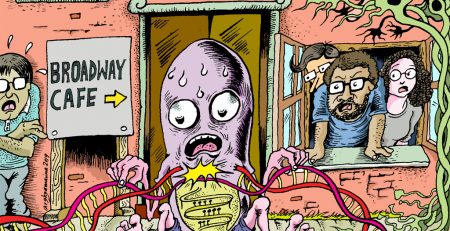
Understanding Generalized Anxiety Disorder (GAD): More Than Just Worry
Generalized Anxiety Disorder (GAD) is a mental health condition characterized by persistent, excessive, and uncontrollable worry about everyday events. Unlike normal stress, which passes when a situation is resolved, GAD persists for months or years. In India, patients often describe this state as constant “ghabrahat” (unease) or “tension,” accompanied by physical symptoms like fatigue, muscle tightness, or gastric distress.
Key Symptoms of GAD
-
** excessive worry** about work, health, family, or finances that is disproportionate to the actual risk.
-
Physical agitation: Restlessness, feeling “keyed up” or on edge.
-
Fatigue: Getting tired easily, even after a full night’s sleep.
-
Concentration issues: Mind going blank or trouble focusing.
-
Irritability: Snapping at family members or colleagues.
-
Sleep disturbances: Difficulty falling asleep or staying asleep due to racing thoughts.
The Indian Context: Somatic Symptoms In clinical practice across India, GAD often presents physically. Patients may visit a physician for headaches, “gas,” or heart palpitations rather than reporting “anxiety.” It is estimated that a significant portion of patients visiting general practitioners in India have underlying anxiety disorders.
Evidence-Based Treatments
-
Psychotherapy: Cognitive Behavioral Therapy (CBT) is the gold standard. It helps patients identify and challenge “catastrophic” thinking patterns.
-
Medication: Selective Serotonin Reuptake Inhibitors (SSRIs) are commonly prescribed to regulate neurotransmitters like serotonin.
-
Yoga and Lifestyle: Research supports yoga as an effective adjunct therapy. Practices like Savasana (Corpse Pose) and Pranayama (controlled breathing) shift the body from a “fight or flight” mode to a “rest and digest” state, reducing cortisol levels.
Frequently Asked Questions (FAQ)
Q: Is GAD curable? A: GAD is a manageable condition. With a combination of medication, therapy, and lifestyle changes, most patients achieve full symptom remission and lead productive lives.
Q: Can academic stress cause GAD in students? A: Yes. In India, intense pressure regarding competitive exams (NEET, JEE) is a major trigger for anxiety disorders in adolescents.