Unmasking Depression: Understanding the Physical Symptoms and Your Legal Rights in India
What is Depression?
Depression is a common but serious mood disorder that affects how you feel, think, and handle daily activities. It is a leading cause of disability worldwide. While typically associated with profound sadness, pessimism, and a loss of interest in activities, the presentation of depression can vary significantly based on cultural contexts.
The Indian Context: When Depression Hurts Physically
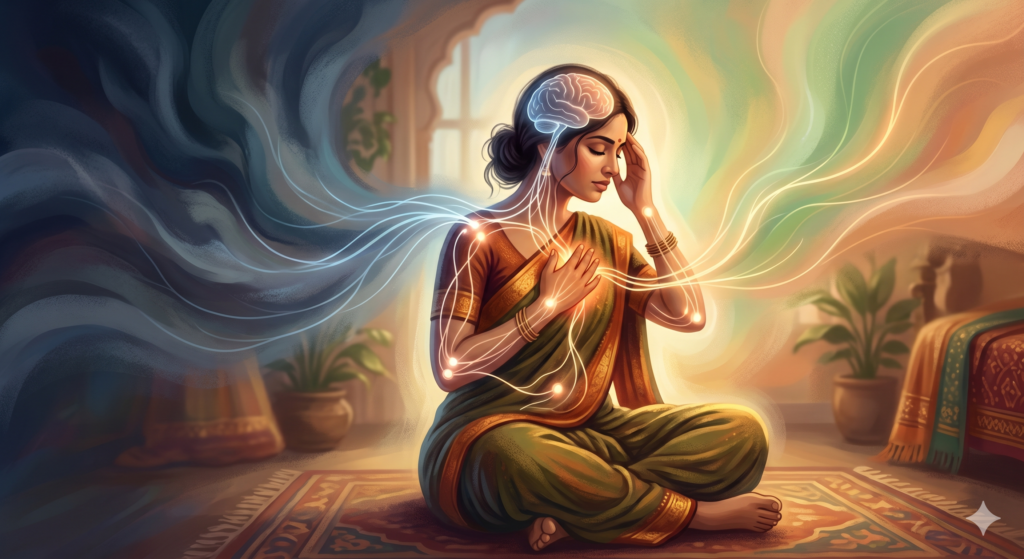
In India and across the South Asian diaspora, depression frequently presents with “somatic” (physical) symptoms rather than purely emotional complaints. Patients often visit general physicians or specialists for unexplained physical discomfort, which can unfortunately lead to misdiagnosis in primary care settings. Functional somatic symptoms are highly prevalent in Indian depressed patients and require careful attention during diagnosis.
Common physical manifestations of depression include:
Severe headaches and heavy head sensations.
Aches and pains all over the body, including joint and leg pain.
Profound fatigue and lack of energy, even when resting.
Heart-related symptoms, such as an awareness of palpitations or a feeling of physical pressure.
Sleep disturbances and changes in temperature perception.
Core Psychological Symptoms
Alongside physical pain, the cognitive and emotional burden of depression remains severe. Key psychological symptoms include pervasive feelings of hopelessness, profound fatigue, difficulty concentrating, and repetitive negative thinking.
The Mind-Body Connection and Treatment
Because physical and emotional symptoms are deeply intertwined, a Consultation-Liaison Psychiatry approach is highly beneficial. Resolving the physical symptoms is critical, as the presence of pain predicts a longer time to remission, and residual physical symptoms can increase the risk of clinical relapse. Treatment typically involves a combination of psychotherapy (like Cognitive Behavioral Therapy), medication, and holistic wellness practices to restore both mental and physical well-being.
Your Rights: The Mental Healthcare Act, 2017 and Health Insurance
A landmark shift in Indian psychiatric care occurred with the Mental Healthcare Act, 2017, transitioning mental healthcare to a rights-based approach. Section 21(4) of the Act specifically mandates that every insurer must make provisions for medical insurance for the treatment of mental illness on the exact same basis as physical illness.
Equal Coverage: Insurance companies can no longer legally exclude mental health conditions from basic health insurance policies.
Financial Protection: This coverage is designed to reduce the financial burden of psychiatric hospital stays, therapy, and medications.
Policy Nuances: While inpatient psychiatric care is commonly covered under these new directives, patients are advised to review their policies carefully for Outpatient Department (OPD) benefits—which are essential for regular therapy and psychiatric consultations—as well as checking for specific waiting periods.
Frequently Asked Questions (FAQ)
Q: Can depression actually cause real physical pain?
A: Yes. The physical pain is entirely real and is a very common manifestation of depression, particularly in India. Failure to address these physical symptoms can reduce the overall remission rate, making it essential to discuss physical pains with your psychiatrist.
Q: Can I claim health insurance for my depression treatment in India?
A: Yes. Under the Mental Healthcare Act, 2017, insurers are mandated to cover mental illnesses just like physical illnesses. However, you should check your specific policy details to see if it covers OPD expenses (like regular therapy sessions and medication) or only inpatient hospitalizations.
References:
National Center for Biotechnology Information (NCBI) Clinical Studies on Somatic Symptoms in Depression.
Mental Healthcare Act, 2017, Government of India.
Insurance Regulatory and Development Authority of India (IRDAI) Directives on Mental Health Coverage.